Alternate Wetting and Drying (AWD)
Grow paddy with less water
A practical irrigation method that lets the water level fall between irrigations, helping farmers use water carefully and reduce methane emissions.
What is AWD?
Instead of keeping a paddy field flooded all the time, AWD lets the water level drop for some days before the field is irrigated again.
Continuously flooded paddy releases methane, a powerful greenhouse gas, because the waterlogged soil has no oxygen. The dry spells in AWD let air back into the soil, which cuts methane. They also reduce the number of irrigations a farmer needs.
How AWD works
Simple steps for better paddy, less water and lower emissions
Follow field guidance and adjust irrigation to crop stage, soil and local conditions.
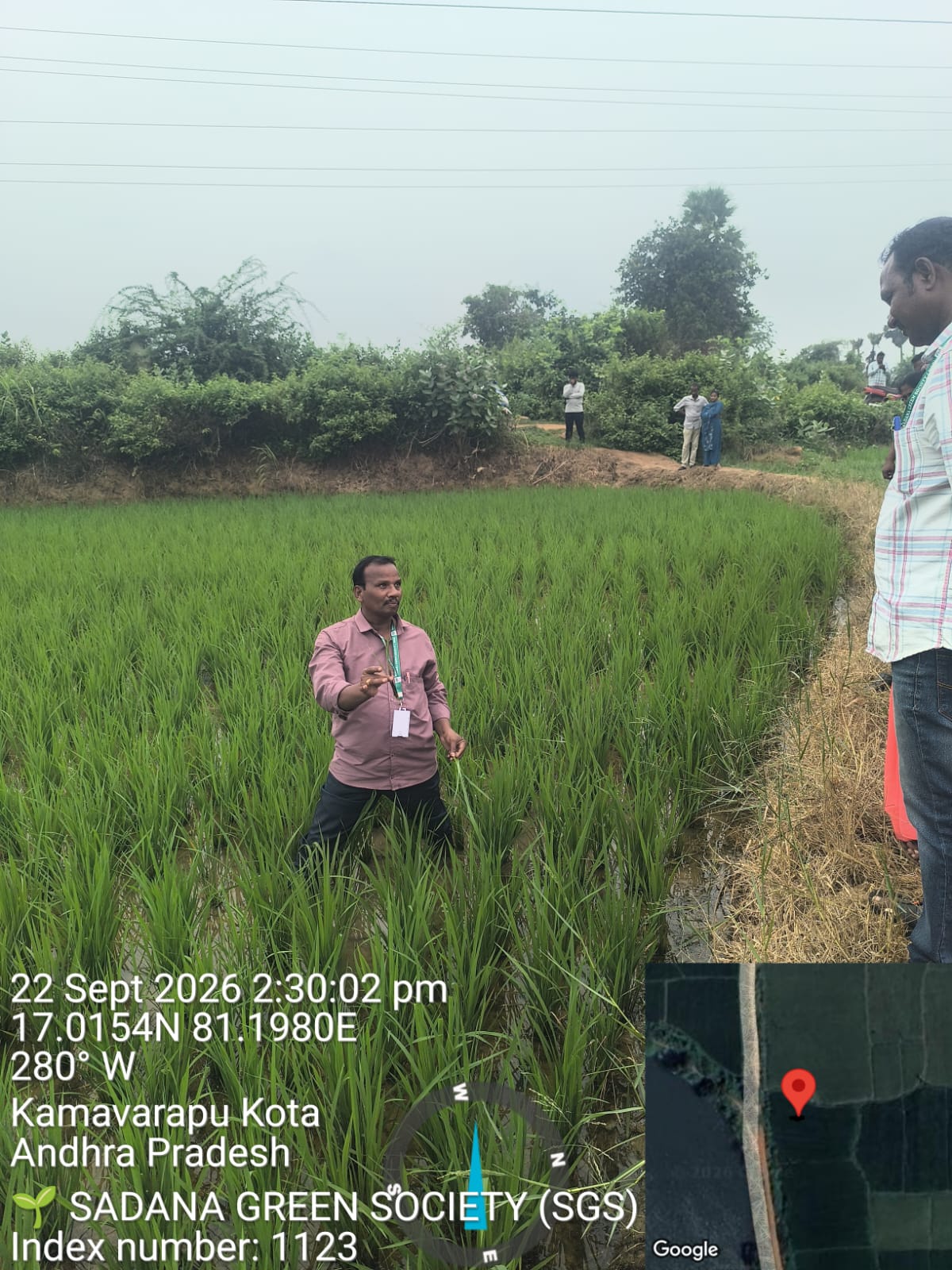 1
1Prepare the field
Transplant paddy and manage water as usual at the start.
- 2
Monitor water level
Use a field water tube to check how far the water level has fallen.
- 3
Let the field drain
Pause irrigation and allow the water level to drop between watering cycles.
- 4
Re-irrigate at the mark
When the water reaches the recommended level, irrigate again. Keep water around flowering.
- 5
Support crop and climate
Good AWD practice can save irrigation water and reduce methane emissions.
Water-level targets and timing must follow local agronomic guidance. Avoid drying the field during sensitive crop stages.
Why farmers and the climate gain
Lower costs on the farm, lower emissions in the air.
For farmers
- Less irrigation water used per season
- Lower pumping cost where water is lifted by motor
- Yields are generally maintained when AWD is done correctly
- Field support and training from our team
- A route into carbon credit programmes
For the environment
- Lower methane emissions from paddy fields
- Water saved for other uses and for the future
- Less pressure on groundwater and canals
- Healthier soil as drying and wetting alternate
- A practical climate action farmers can do themselves
Is AWD right for my field?
It needs control over irrigation
AWD works where the farmer can start and stop irrigation and drain or hold water. Fields with unreliable water supply or heavy rain at key stages may need adjustments. Speak to our field team and we will check your field before you decide.
What SGS does
We register farmers, train them, visit fields and keep clear records so results can be reported to partners.
AWD can also be part of a carbon programme. Read how carbon credits benefit farmers and partners.