Carbon credits
Turning trees into a greener tomorrow
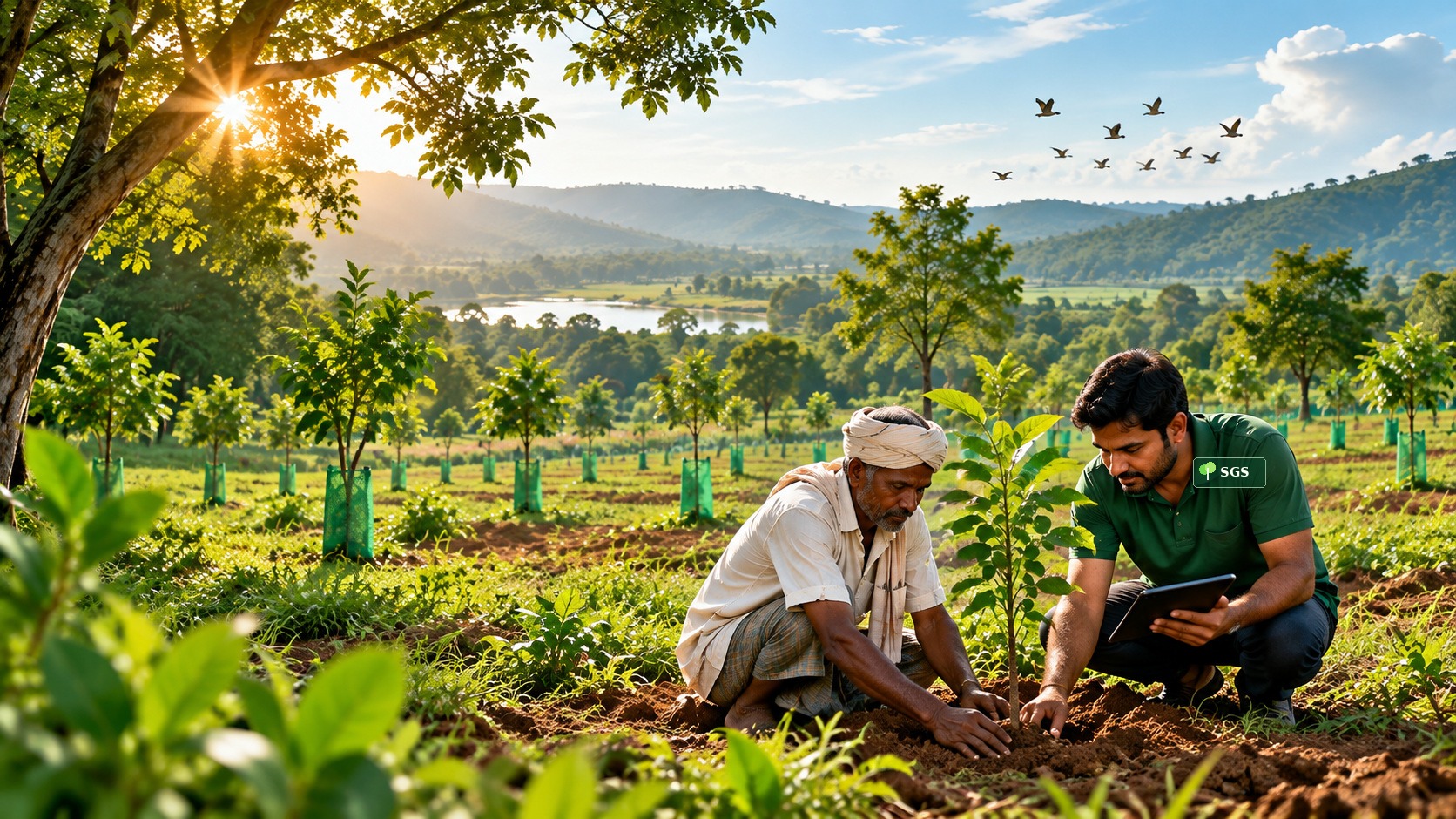
Tree-based farming stores carbon in trees and soil. Eligible projects measure and verify results before carbon credits may be issued.
What is a carbon credit?
One carbon credit represents one tonne of carbon dioxide equivalent that has been reduced or removed from the atmosphere.
Credits are created by projects such as tree plantations, agroforestry and low-emission farming methods. Independent standards check the results before credits are issued. Organisations then buy credits to balance emissions they cannot yet avoid, and part of that value reaches the people who did the work on the land.
Who benefits
Carbon programmes work best when farmers, partners and the environment all gain.
Farmers
- A share of carbon programme benefits, as set in the programme terms
- Trees that add shade, fodder, fruit or timber value over time
- Healthier soil and better water use on the farm
- Training and regular field support
- Records that show the farmer's role in the project
Companies and partners
- A credible way to balance emissions that cannot yet be avoided
- Support for CSR and sustainability reporting
- Impact that is traceable to named farmers and fields
- Direct benefit to rural communities
- A local partner for planning and delivery
Environment and communities
- Carbon stored in trees and soil
- Greater tree cover and habitat
- Lower emissions from farming, for example through AWD
- More stable rural livelihoods
- Stronger local awareness of climate action
How carbon credits work
From tree plantation to farmer benefits
Five steps from field activity to verified programme benefits.
 1
1Tree plantation
Farmers plant eligible trees on their land.
 2
2Tree growth
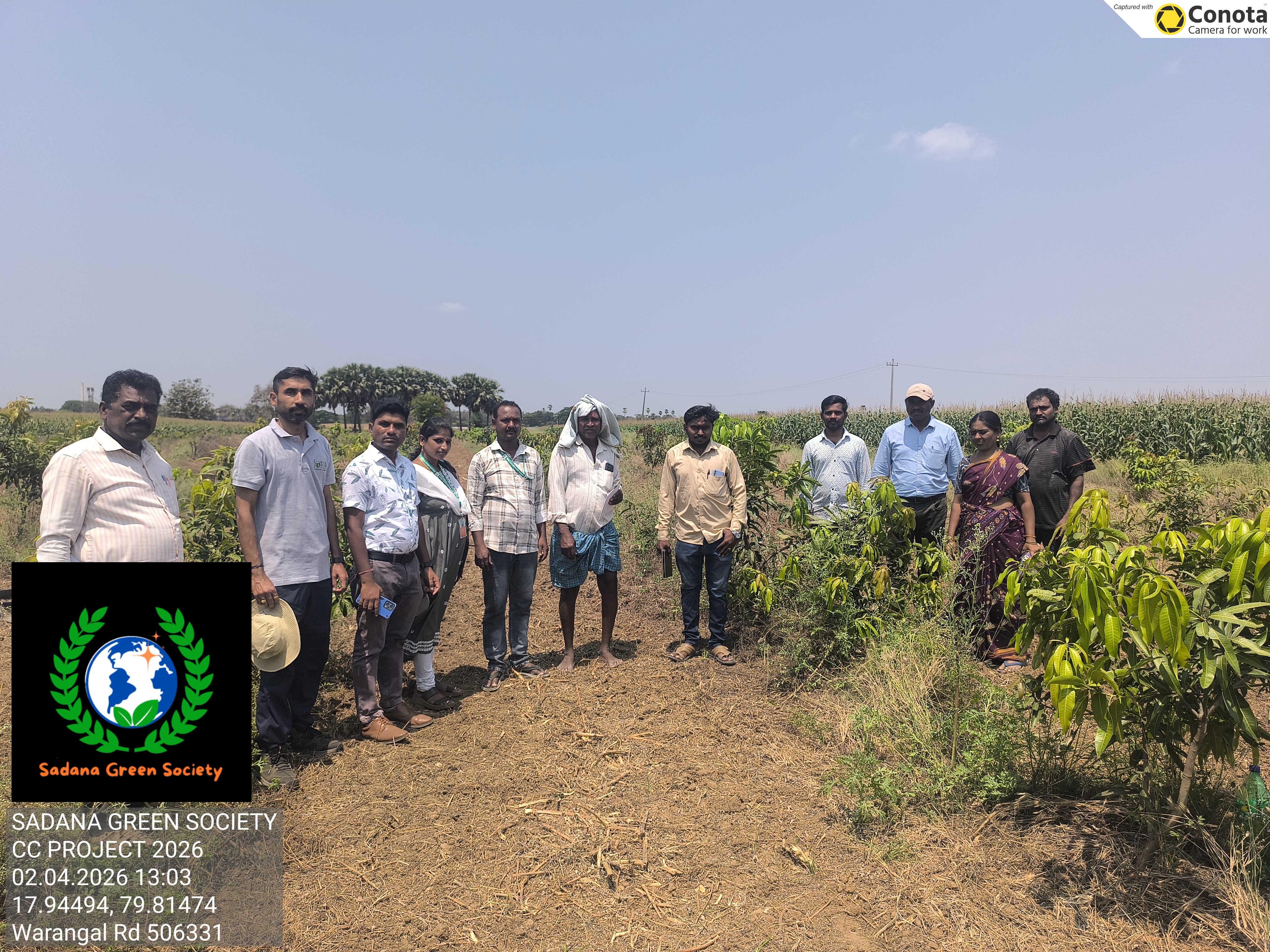
Trees grow and store carbon in biomass and soil.
 3
3Measure & verify
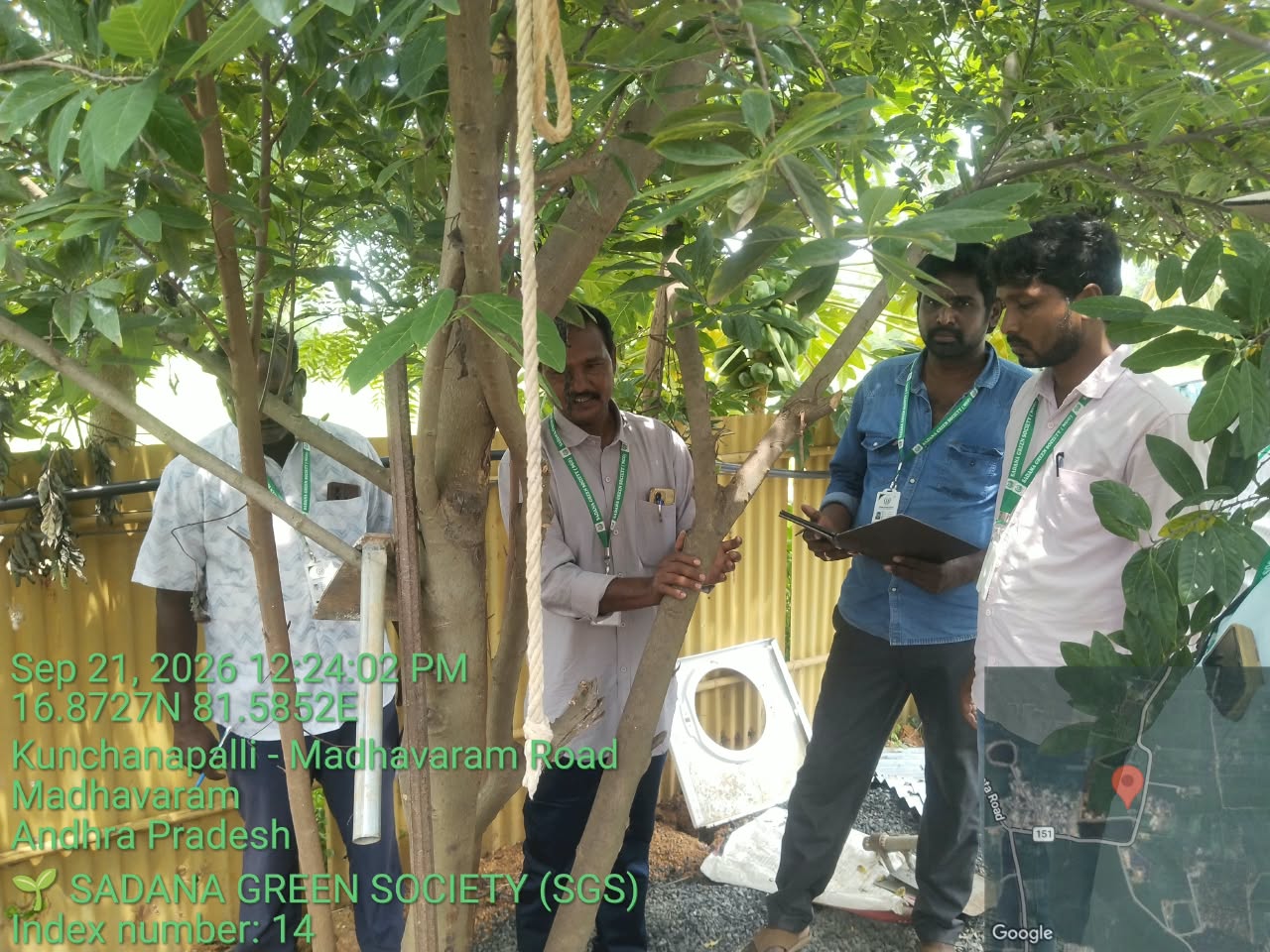
Field records and carbon benefits are checked against project standards.
- 4
Credits issued
Verified credits may be issued after required checks and registration.
 5
5Benefits to farmers
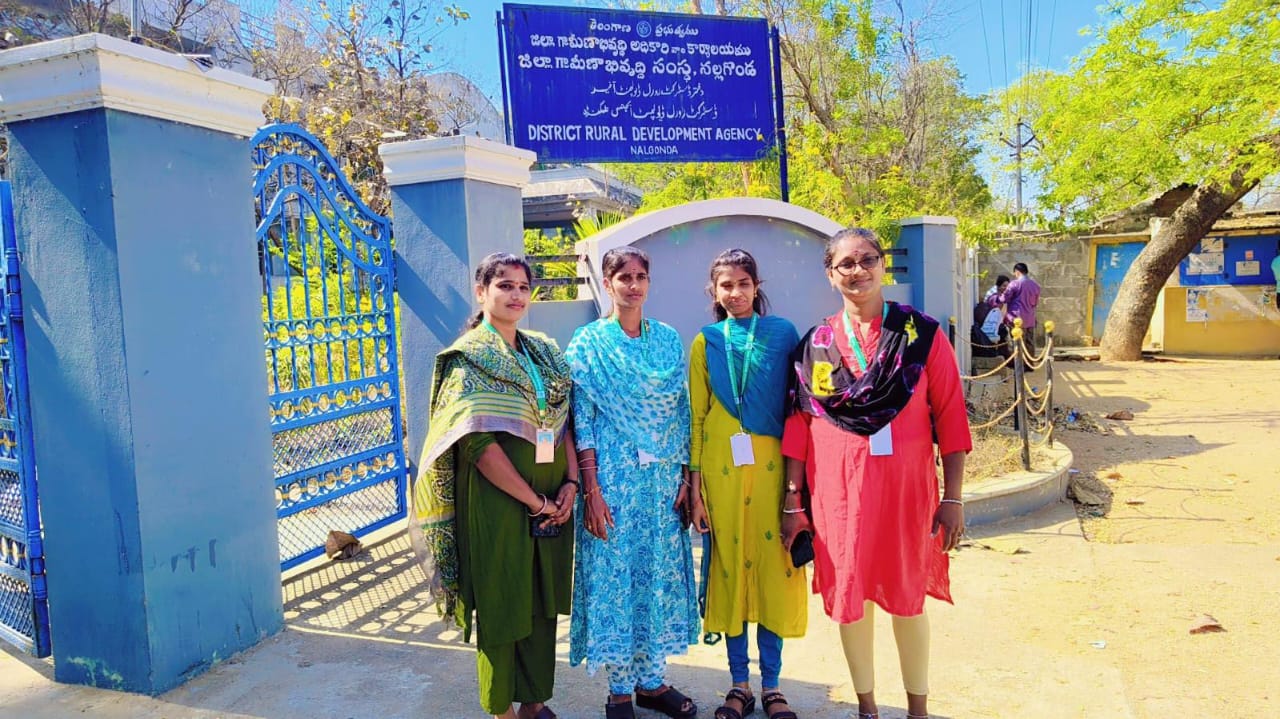
Programme benefits are shared according to agreed terms.
Every project follows its approved guidelines. Results and benefits depend on verification and programme terms.
What to know before joining
Be clear on the terms
Carbon income depends on verified results, programme rules and the credit market, so no amount is guaranteed. Before joining, farmers should understand the programme period, their responsibilities and how benefits are shared. Our team explains this in plain language before enrolment.
Good for the climate, too
Carbon programmes put a value on caring for land. Agroforestry is where most of our farmers start: see why agroforestry and the forest and fruit species. Trees lock carbon away, better practices cut emissions, and communities see why it matters.
Related: Alternate Wetting and Drying (AWD), a paddy method that lowers methane emissions and can be part of a carbon programme.